
Written by Sauvik Pandit
Pursuing Post Graduation (M.A.) in Film studies.
Department of Film Studies, Jadavpur University
An Academic Article on Film Studies and Cinema Studies.
What Is Film Theory?
According to The Routledge Encyclopedia of Film Theory, Film Theory is“…a set of scholarly approaches within the academic discipline of cinema studies that question the essentialism of cinema and provides conceptual frameworks for understanding film’s relationship to reality, the other arts, individual viewers, and society at large.”
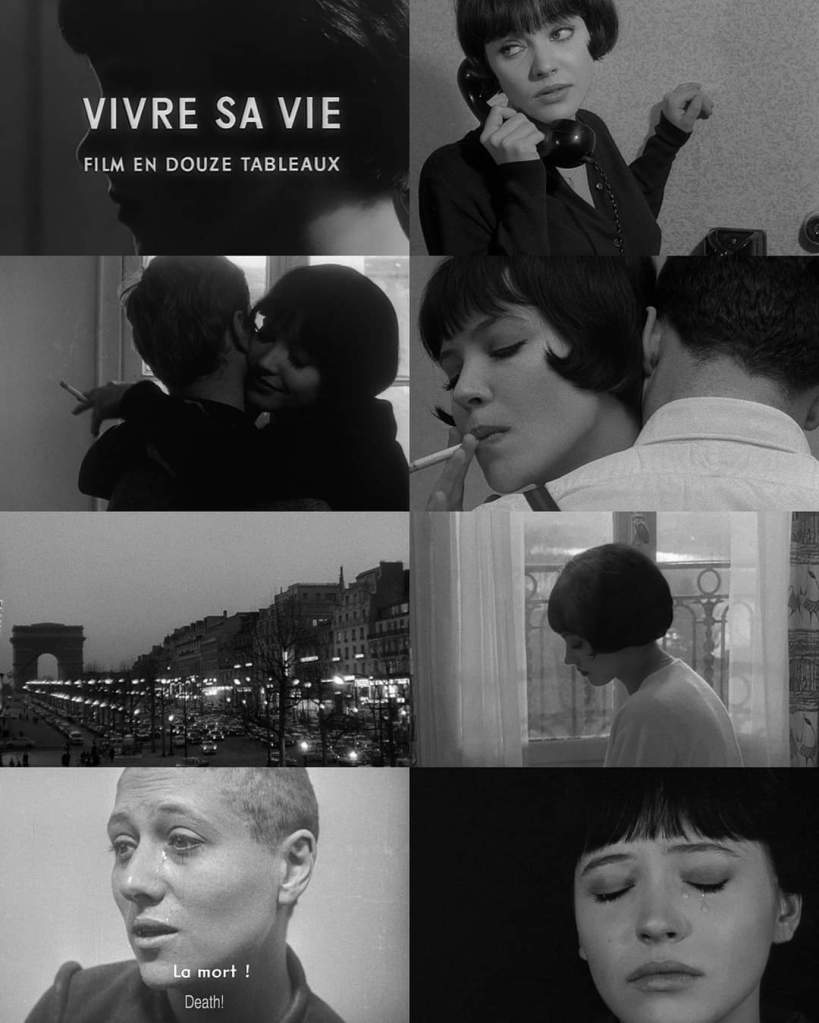
Theorists break them down to analyze them according to their place in society. The better you get at reading films, the more meaning you can put into your work. You can’t create a unique film or television show without a basic understanding of what came before you.
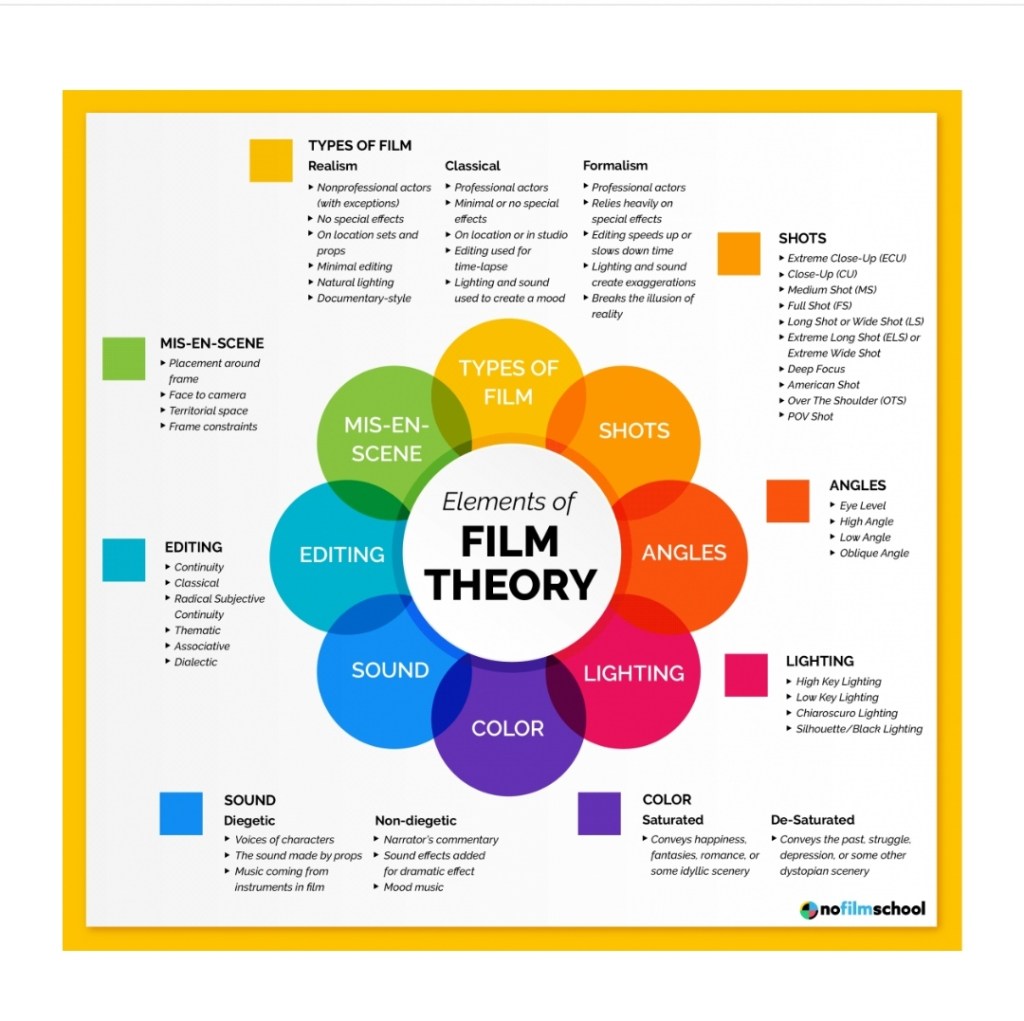
Film Theorists use these key elements:
- Type Of Film
- Shots
- Angles
- Lighting
- Color
- Sound
- Editing
- Mise-en-Scene
Film Criticism:
Film Criticism picks apart movies. It’s done by scholars, who want to analyze the film’s worth. And it’s done journalists, who review the film for the general population.
Film History:
Film History chronicles the journey of cinema from its start to the present day. Film History tracks landmark changes that go with the passing of time.
How to read a film:
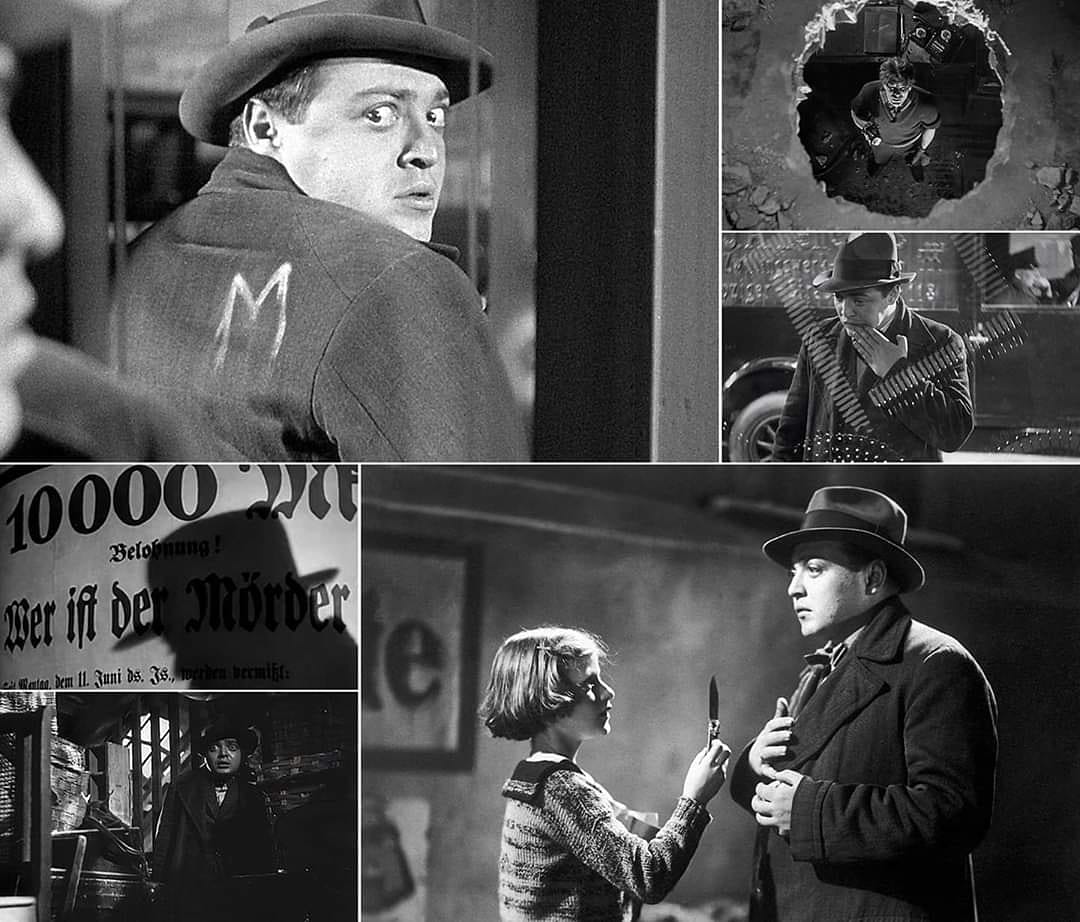
So you pop your Blu-Ray into the player, and you’re ready to get started. The first thing you’re going to want to do is to pay attention to. The best film analysis may require you to be pretty liberal with the “pause” and “play” buttons. You’re looking for choices made by the director, cinematographer, and editor that clue you into the emotional response and messaging of every scene.
But how can you tell what they want you to feel?
Sometimes it’s not as easy as listening to the swelling score.
Roger Ebert, often credited as the man who brought criticism to the masses, uses this cheat sheet to break down a film:
“In simplistic terms: Right is more positive, left more negative. Movement to the right seems more favorable; to the left, less so. The future seems to live on the right, the past on the left. The top is dominant over the bottom. The foreground is stronger than the background. Symmetrical compositions seem at rest. Diagonals in a composition seem to “move” in the direction of the sharpest angle they form, even though of course they may not move at all. Therefore, a composition could lead us into a background that becomes dominant over a foreground. Tilt shots of course put everything on a diagonal, implying the world is out of balance. I have the impression that more tilts are down to the right than to the left, perhaps suggesting the characters are sliding perilously into their futures. Left tilts to me suggest helplessness, sadness, resignation. Few tilts feel positive. Movement is dominant over things that are still. A POV above a character’s eyeline reduces him; below the eyeline, enhances him. Extreme high angle shots make characters into pawns; low angles make them into gods. Brighter areas tend to be dominant over darker areas, but far from always: Within the context, you can seek the “dominant contrast,” which is the area we are drawn toward. Sometimes it will be darker, further back, lower, and so on. It can be as effective to go against intrinsic weightings as to follow them.”
— Roger Ebert
While he goes on not to take any of that as the whole truth, it’s a great start for the novice viewer. Ready to get to the harder stuff?
Let’s go back to the list Film Theorists use to analyze and break them down one by one.
Types Of Films
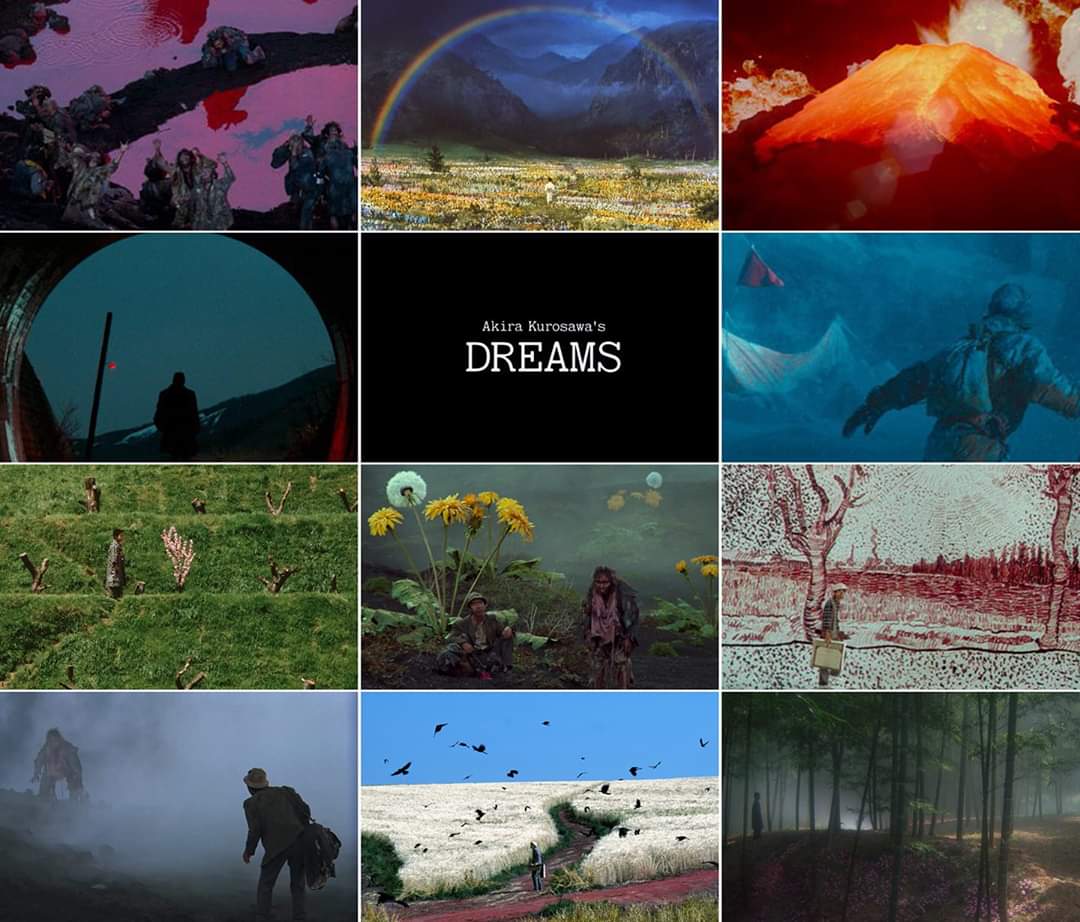
There are three main types of films. Realism, Classical, and Formalism. We have an article based on rejecting realism and embracing formalism. So once you have the definitions down, circle back for some fun!
Realism:
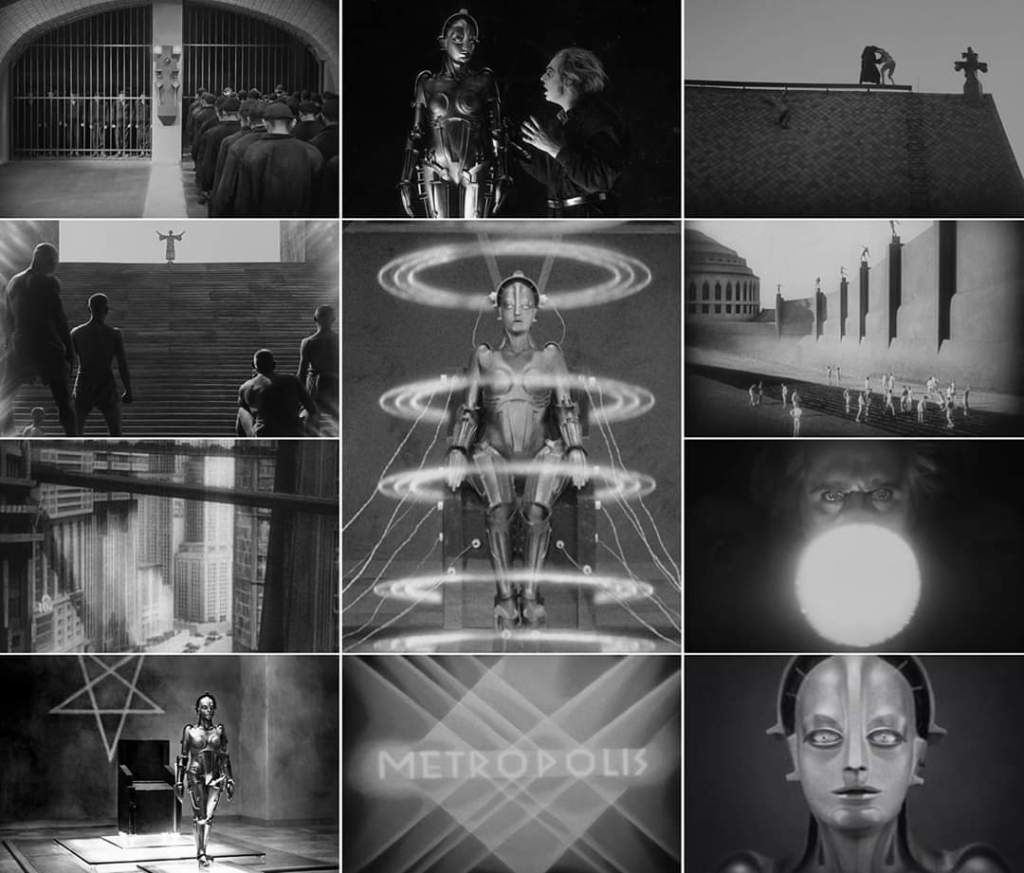
This type of film focuses on the real. Movies and TV take us to many different places, but to fall into this category, the piece has to be dedicated to showing the unfiltered world.
Some examples would be Fish Tank, The Bicycle Thief, The Deer Hunter, Kids.
Characteristics:
- Nonprofessional actors (with exceptions)
- No special effects
- On location sets and props
- Minimal editing
- Natural lighting
- Documentary-style
Realism strives to show the real world for what it is. It gets down and dirty. The ability to shoot and create movies using phones and digital cameras has brought back a recent surge in Realism film. Some recent movements in realism are Mumblecore films and Modern Realism. Films like The Florida Project, Fruitvale Station, and Once strive to show their characters dealing with real issues of the day to day life.
Classical:
This falls between the two extremes of Realism and Formalism. Classical film still wants to emphasize authentic moments between real people but with the manipulation of its creative production elements.
Movies like Lone Survivor, Citizen Kane, The Godfather, Trainwreck, and Spotlight.
Characteristics:
- Professional actors
- Minimal or no special effects
- On location or in studio
- Editing used for time-lapse
- Lighting and sound used to create a mood
Most drama movies you watch falls into the Classical category. Remember, this is Classical in form, not to be confused with the kinds you watch on TCM. But…lots of those classic movies are Classical too.
Formalism:
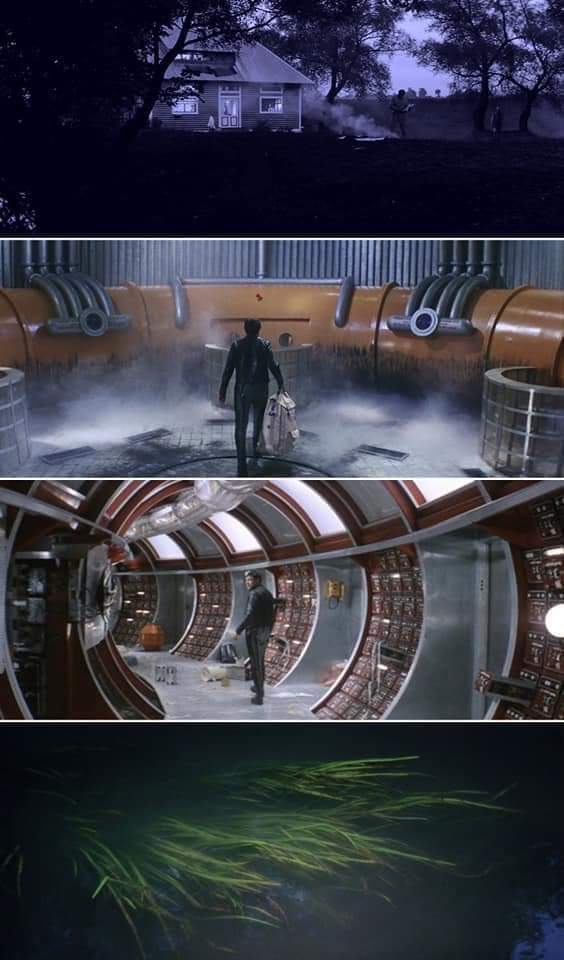
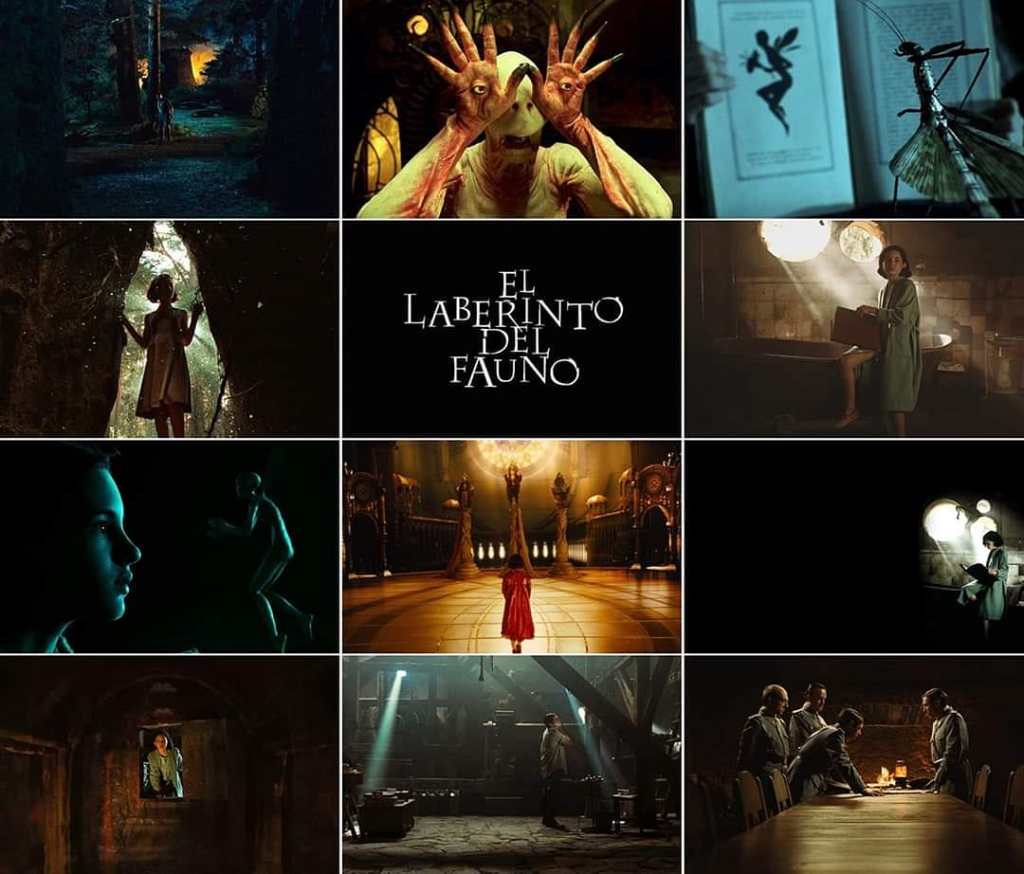
Formalism focuses on the Director bringing the audience an altered reality that they’ve created. It’s pretty much every Guillermo Del Toro movie. And every Superhero movie. And every Star War. Most modern movies. Film Theory and Disney are compatible. Who knew?
Characteristics:
- Professional actors
- Relies heavily on special effects
- Editing speeds up or slows down time
- Lighting and sound create exaggerations
- Breaks the illusion of reality
Lucky for us there’s no actual Thanos showing up to wipe out the Earth’s population. But Formalism seeks to show us a completely artificial world. A lot of times these movies are why we go to the theater. They’re also responsible for the rise in animation for adults. This is how you apply Film Theory to Rick and Morty.
Shots
There are ten kinds of shots:
- Extreme Close-Up (ECU)
- Close-Up (CU)
- Medium Shot (MS)
- Full Shot (FS)
- Long Shot or Wide Shot (LS)
- Extreme Long Shot (ELS) or Extreme Wide Shot
- Deep Focus
- American Shot
- Over The Shoulder (OTS)
- POV Shot
We dissect every scene as a combination of these shots. Different combos create different moods and different directorial intentions.
Angles
There are four main angles:
- Eye Level
- High Angle
- Low Angle
- Oblique Angle
These angles are also used to elicit emotions from the viewer. When you’re making your shot lists and storyboard think about how you can manipulate the viewer into emotions based on how you shoot the scene.
Lighting
There are four main kinds of lighting:
- High Key Lighting
- Low Key Lighting
- Chiaroscuro Lighting
- Silhouette/Black Lighting
Each version of the lighting sets a mood. Think about the genres of movies you love. Comedy and Noir are lit with different ways to get different moods. The better you get at making movies, the more you can blend these styles for fresh and unique ways to draw an audience. Like in Game Night.
Color
There are two main kinds of color:
Saturated
- conveys happiness, fantasies, romance, or some idyllic scenery
Think about the frames in Willy Wonka. The factory is seen as a wonderland where dreams come alive.
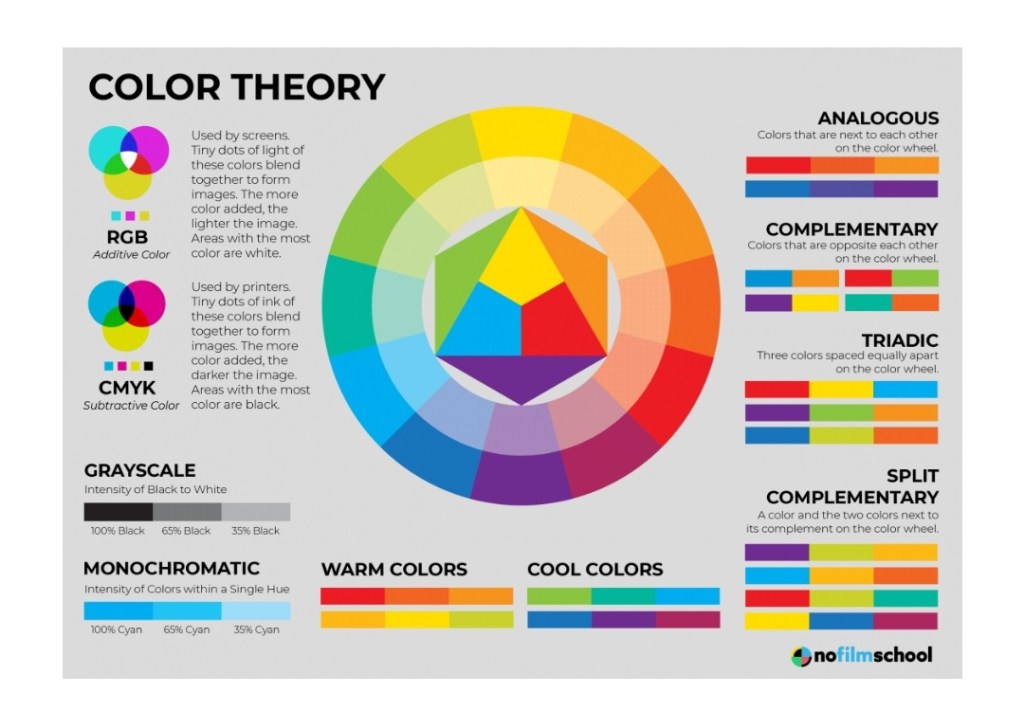
Desaturated
- conveys the past, struggle, depression, or some other dystopia scenery
Compare Wonka to The Road. It looks like a place no one wants to be.
Sound
There are two main kinds of sound:
Diegetic
Sound whose source is visible on the screen or whose sound is implied to be present by the action in the film; also characterized by offscreen or on-screen
Examples:
- Voices of characters
- The sound made by props
- Music coming from instruments in film
The easiest way to understand diegetic sound is to think about what the characters on screen can hear.
Non-diegetic
Sound whose source is not visible on the screen nor has been applied by the action of the film; basically, any sound that comes outside the story place
An editor’s job is hard. You can make it easier by planning your shots and making storyboards.
- Narrator’s commentary
- Sound effects added for dramatic effect
- Mood music
Editing
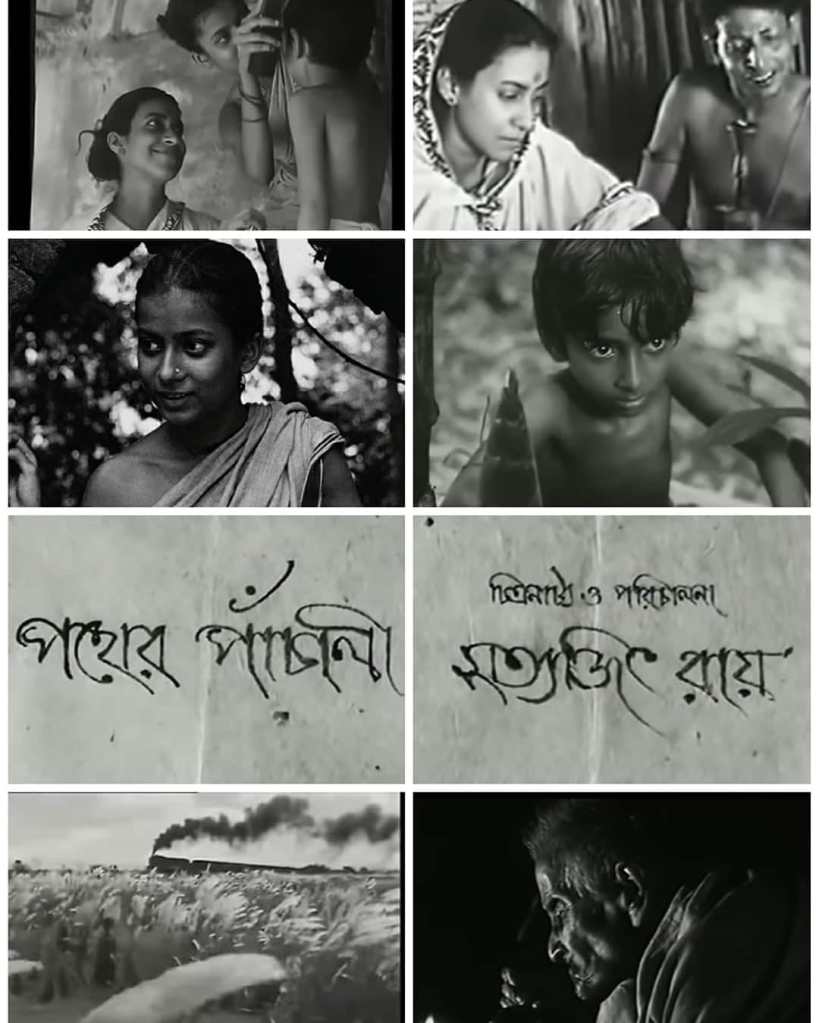
Film editing is one of those things that usually go unnoticed in Hollywood films. An editor’s job is to make the story fluid and work as a guide for the audience. If they’re bad at their job, the editing is noticeable, jerky, and takes you out of the experience. Here are some different kinds of editing.
- Continuity:
- a collapse of time and space while preserving fluidity
- Classical:
- This style jumps from long shot to medium shot to close up for dramatic effect
- Radical Subjective Continuity:
- cuts of different time and space for dramatic effect
- Thematic:
- edits that are driven by a particular theme
- Associative:
- juxtapositionof two shots that when combined have meaning (but separate, they do not)
- Dialectic:
- edits drove by expressing a contradiction
An editor’s job is hard. You can make it easier by planning your shots and making storyboards.
Mise-en-Scene
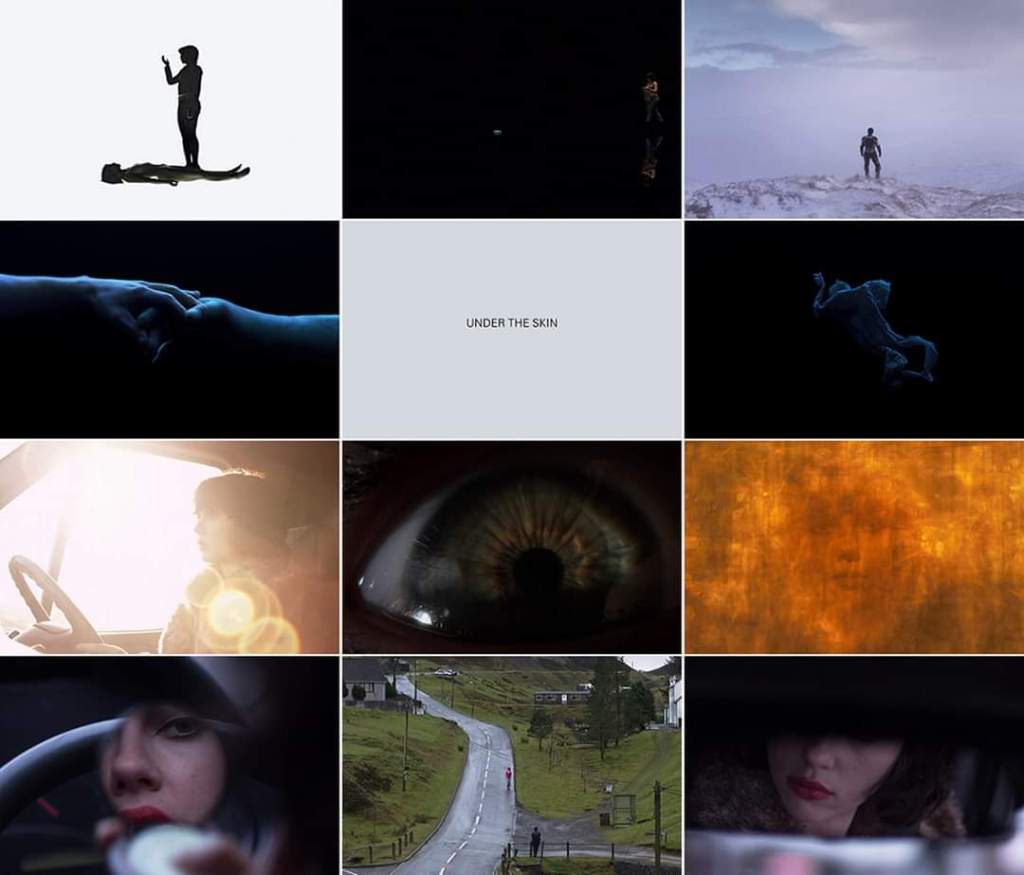
Mise-en-scene is a French word that means “placed on the stage.” Everything that appears before the camera and how it’s arranged on the screen to convey meaning in the film. So be smart when you’re organizing furniture around a room. It matters. Mise-en-scene can be broken down into the following:
- Placement around frame
- Face to camera
- Quarter Turn
- Half Turn
- Three Quarter Turn
- Full Turn
- Back
- Territorial space
- Background
- Mid-ground
- Foreground
- Frame constraints
- Tight:
- conveys subject’s intensity, importance and inability to escape.
- Open:
- conveys desolation, space, freedom, or insignificance.
- Tight:
Some Film Theory Focuses:
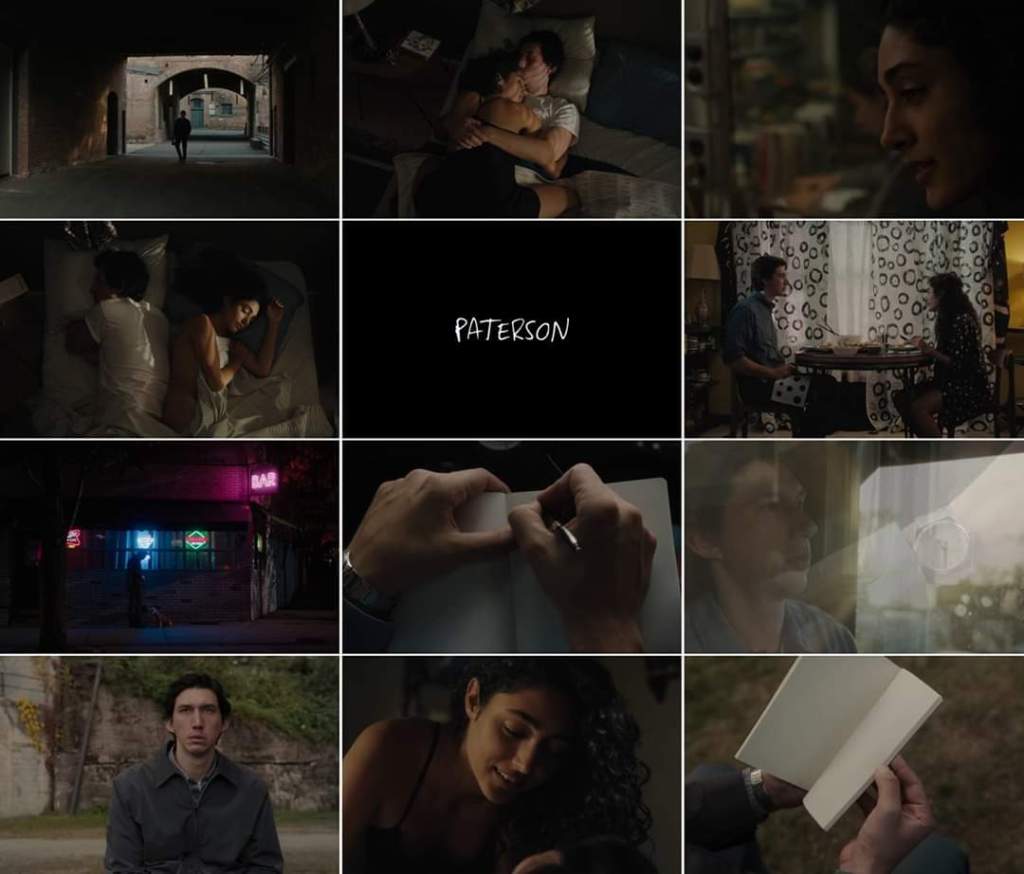
Now that you have the basics of Film Theory, it’s time to look at some of the more nuanced approaches to the topic. The following Film Theory studies dig in a little deeper to their readings. Some people even make an entire career chasing examples and meanings inside these definitions.
Apparatus theory
This theory, dominant in the 1970s, says that ALL movies were made to reflect some reality and ideology. That means that every part of a movie, acting, cinematography, lighting, sound, has meaning. The main argument is that the viewer takes all these elements in as they watch and the view helps impose meaning onto the film. Kind of like that time I told everyone Super 8 was about the Oedipus complex because the entire third act of the movie takes place inside a metaphorical womb and is about a little boy who has to physically let his mother go to move on in life.
Auteur theory
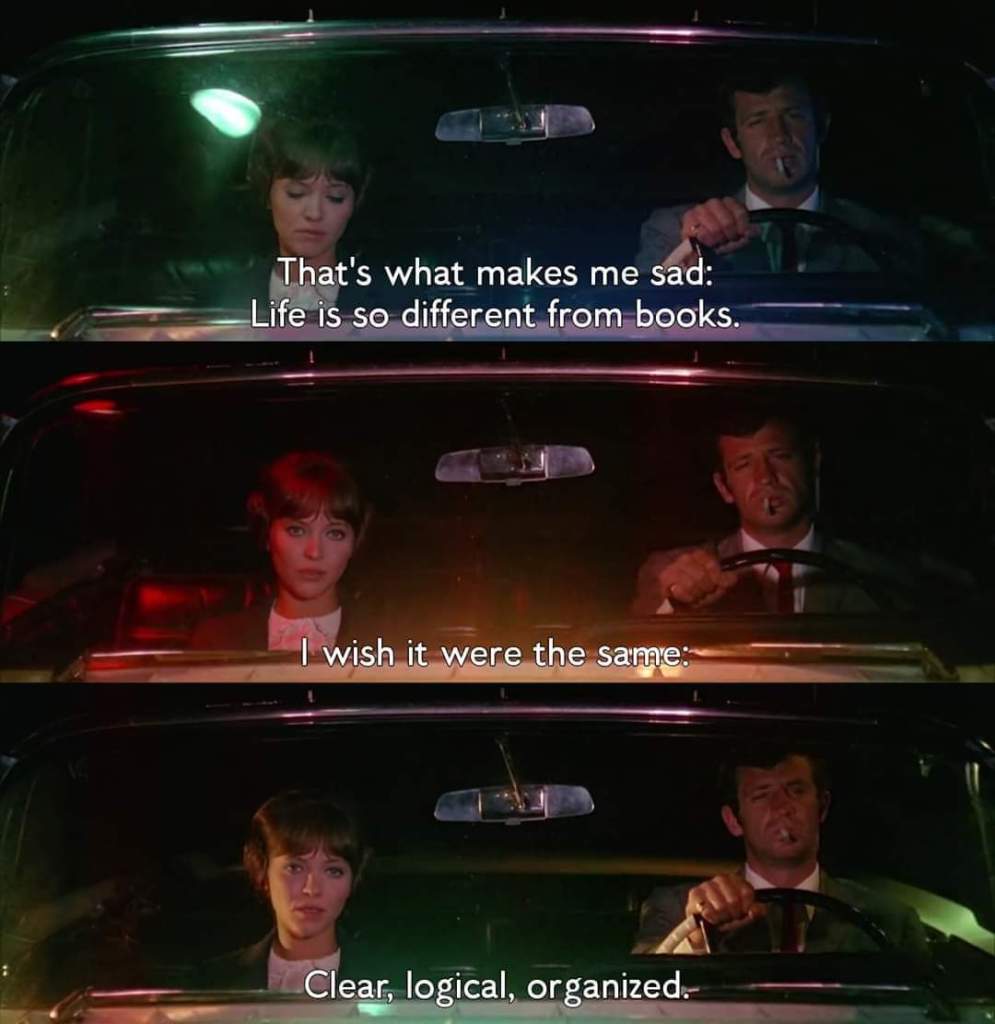
We have an entire post chasing Auteur theory which you can view here. But the basic gist is that the Director puts his/her stamp on a movie because they oversee all audio and visual elements of the motion picture, is more to be considered the “author” of the movie than is the writer of the screenplay. This became a popular theory in France in the 1940s. American critic Andrew Sarris pushed this idea, but it took hold in 1951 when Andre Bazin wrote about it in his periodical Cahiers du cinéma. The theory is still tossed around today, with many people trying to add rules on how many movies the director must make and whether or not the director can also be the writer.
Writers are used to getting the short end of the stick all over Hollywood so suffice it to say; they’re not huge proponents of Auteur theory. But no one cares.
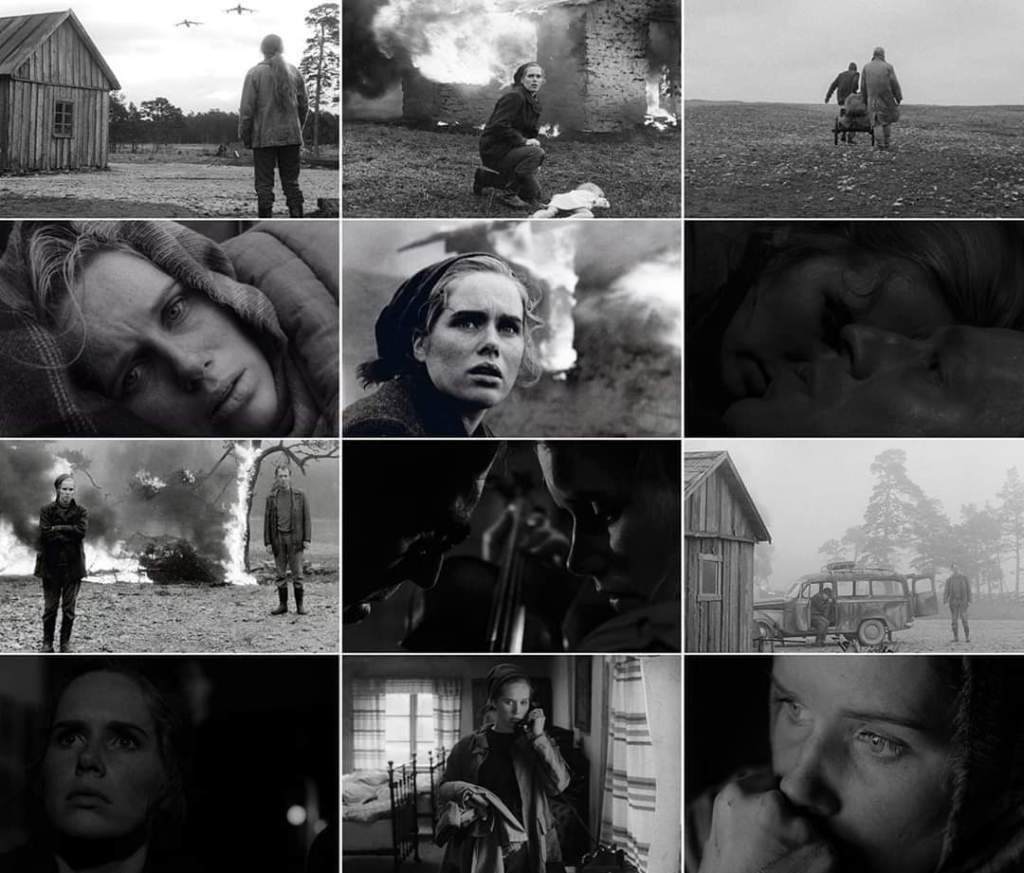
Feminist Film Theory
Feminist film theory is a film criticism derived from feminist politics and feminist theory. The best way to summarize Feminist Film Theory is this: Most movies are made by men and controlled by men. Therefore, cinema as a whole has been created through the lens of the “male gaze” and thus forced roles and stereotypes onto women that may negatively affect their social standing. Feminist Film Theory first came to light in the 1960s and ’70s. For further reading check out Laura Mulvey‘s essay, Visual Pleasure and Narrative Cinema.
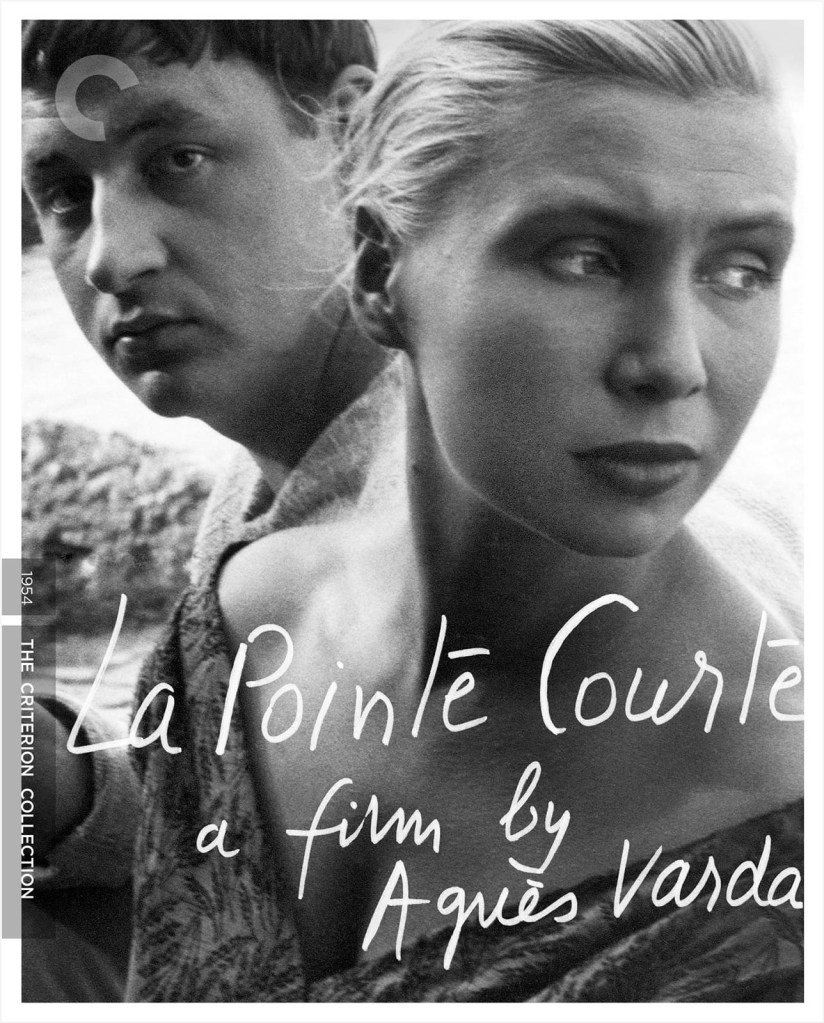
This can be applied to anything. From Tarantino to Welles. Rest in Peace, Agnes Varda.
Feminist Film Theory is alive and well today and has even transcended scholars into pop culture with the Bechdel Test.
Genre Studies
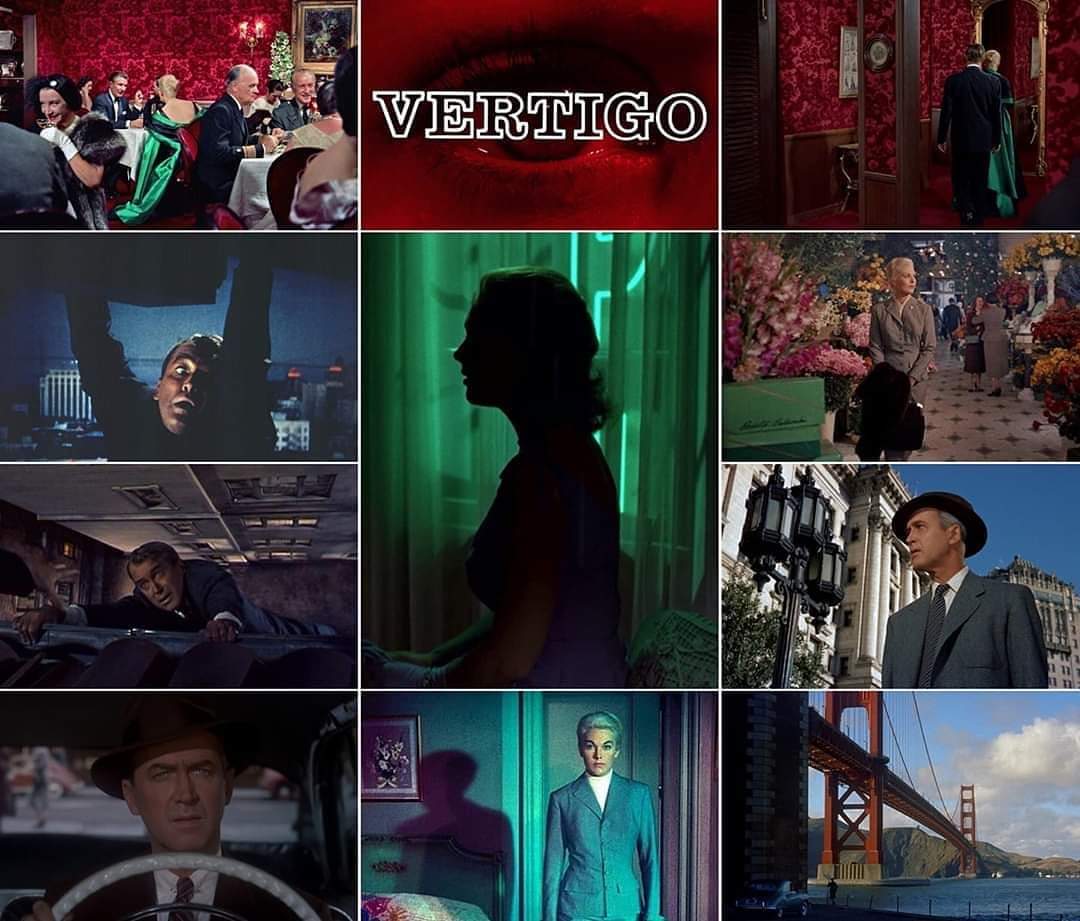
Genre Studies is probably the broadest of these Film Theories. It breaks down films into their genre and then analyzes what tropes or themes show up over and over. Then Genre Studies Theorists try to see if those themes mean something about the world or time in which they occurred. Are the hard-boiled 80’s cop movies actually about Toxic Masculinity? How is the damsel in distress used and subverted in the Action Genre? Why is sex punished in horror films?
Queer theory
Queer Theory came about in the early 1990s. Like Feminist Film, it breaks films down from the perspective of how they originated. It proposes that film, thanks to early codes and cultural constraints, were all made from the “straight” perspective. By breaking this barrier down, queer theory can show the limitations of that model and work to undo the norm. For more on Queer Theory, check out this breakdown from Film Reference.
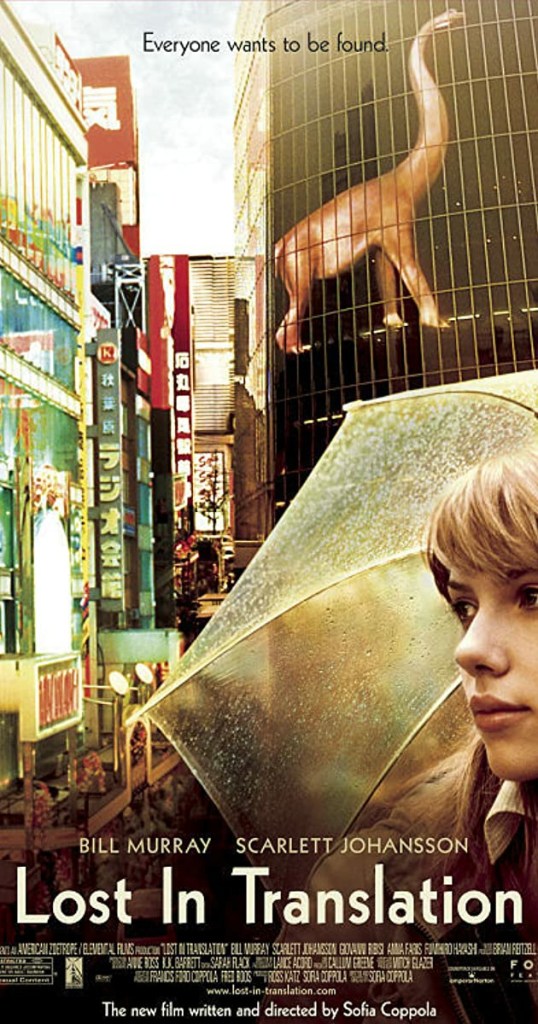
Some examples of Queer Theory in action are Todd Haynes’s Poison, which used the horror film genre to investigate the politics of gay sexual practices of the AIDS era. Also Kimberly Pierce’s Boys Don’t Cry, which uses Feminist Film Theory AND Queer Theory to expose the way society treats a Transgender protagonist.
All Copyright Reserved (c) Sauvik Pandit

